
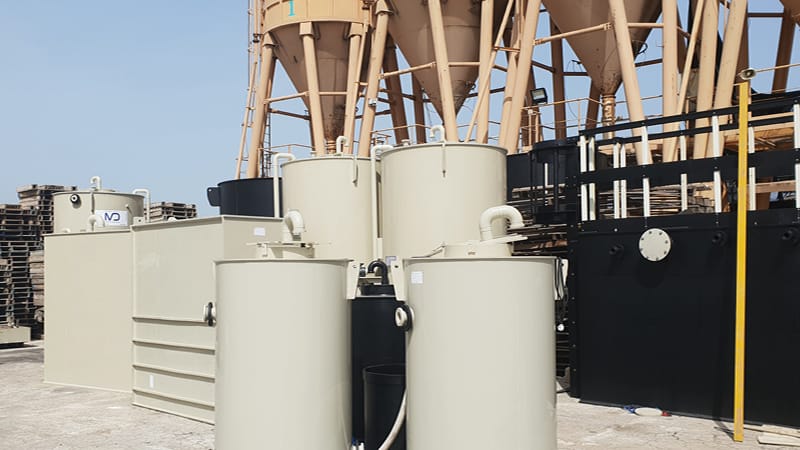
Key Highlights: Industrial Thermoplastic & Composite Tank Manufacturing
- Extensive Material Compatibility: Expert fabrication using Polyethylene (PE), Polypropylene (PP), PVC, PVDF, and Fiberglass (FRP) tailored to specific chemical resistance profiles.
- Custom Engineering & Design: Complete CAD modeling, FEA structural stress analysis, hydrostatic load assessments, and strict adherence to international industrial standards (DVS, EN).
- Versatile Configurations: Custom conical, rectangular, and cylindrical geometries with integrated heavy-duty steel-reinforced support structures, walkways, and safety ladders.
- Rigorous Quality Assurance: Every vessel undergoes a mandatory 24-hour hydrostatic leakage test and weld integrity verification prior to dispatch.
Industrial chemical storage and processing demand high-integrity containment solutions capable of enduring corrosive media, thermal cycling, and mechanical stress.
Idan B Plastic engineers and manufactures custom thermoplastic and composite vessels designed to meet the most stringent industrial storage challenges across chemical processing, water treatment, electroplating, and microelectronics industries.
From compact dosing units to large-scale industrial bulk storage reservoirs, our tanks integrate advanced finite element modeling, chemical compatibility selection, and safety-compliant access platforms to ensure maximum operational lifespan and total environmental containment.
Read on to explore our material matrix, engineering capabilities, structural reinforcement options, and comprehensive technical FAQ.
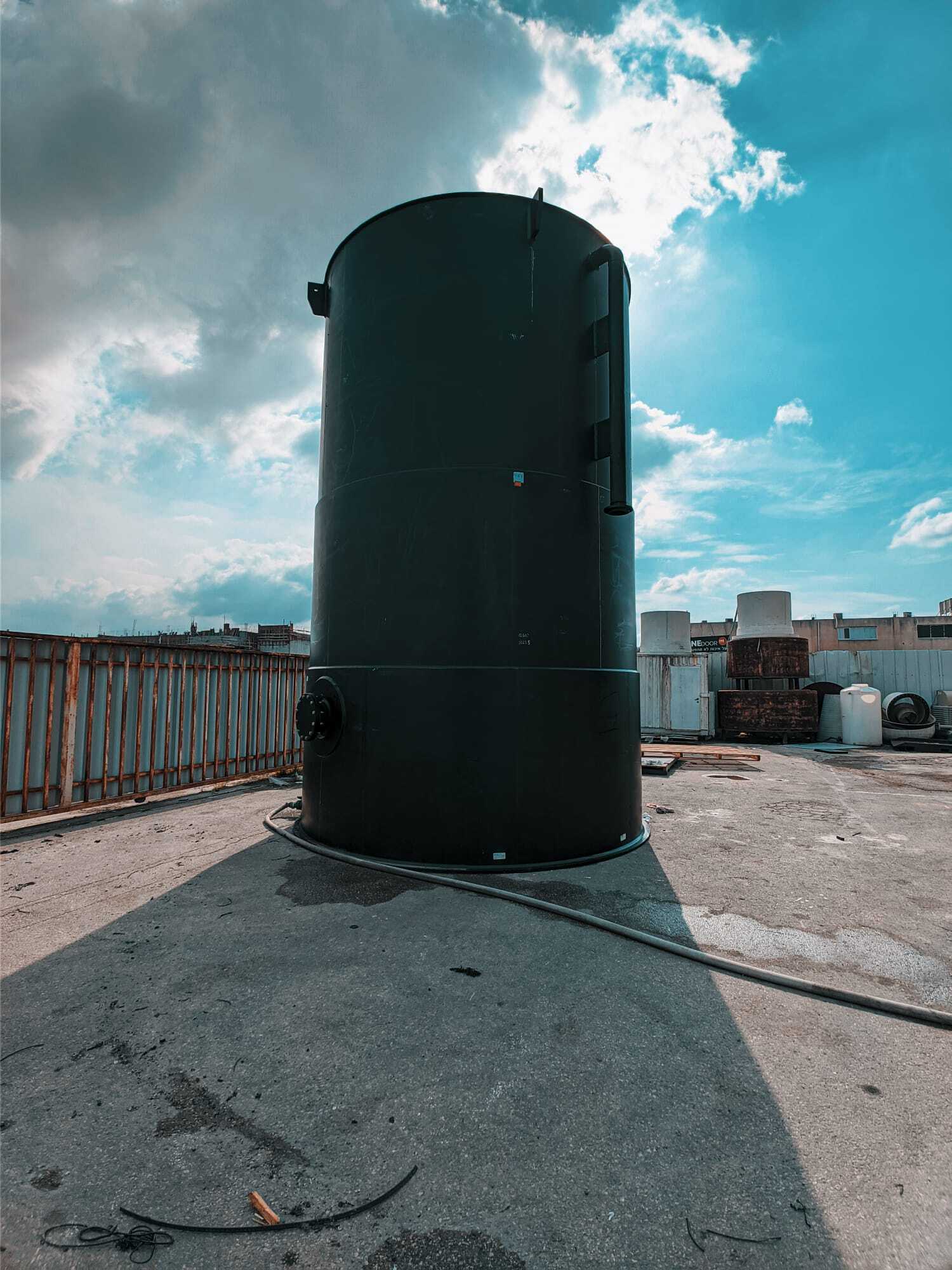
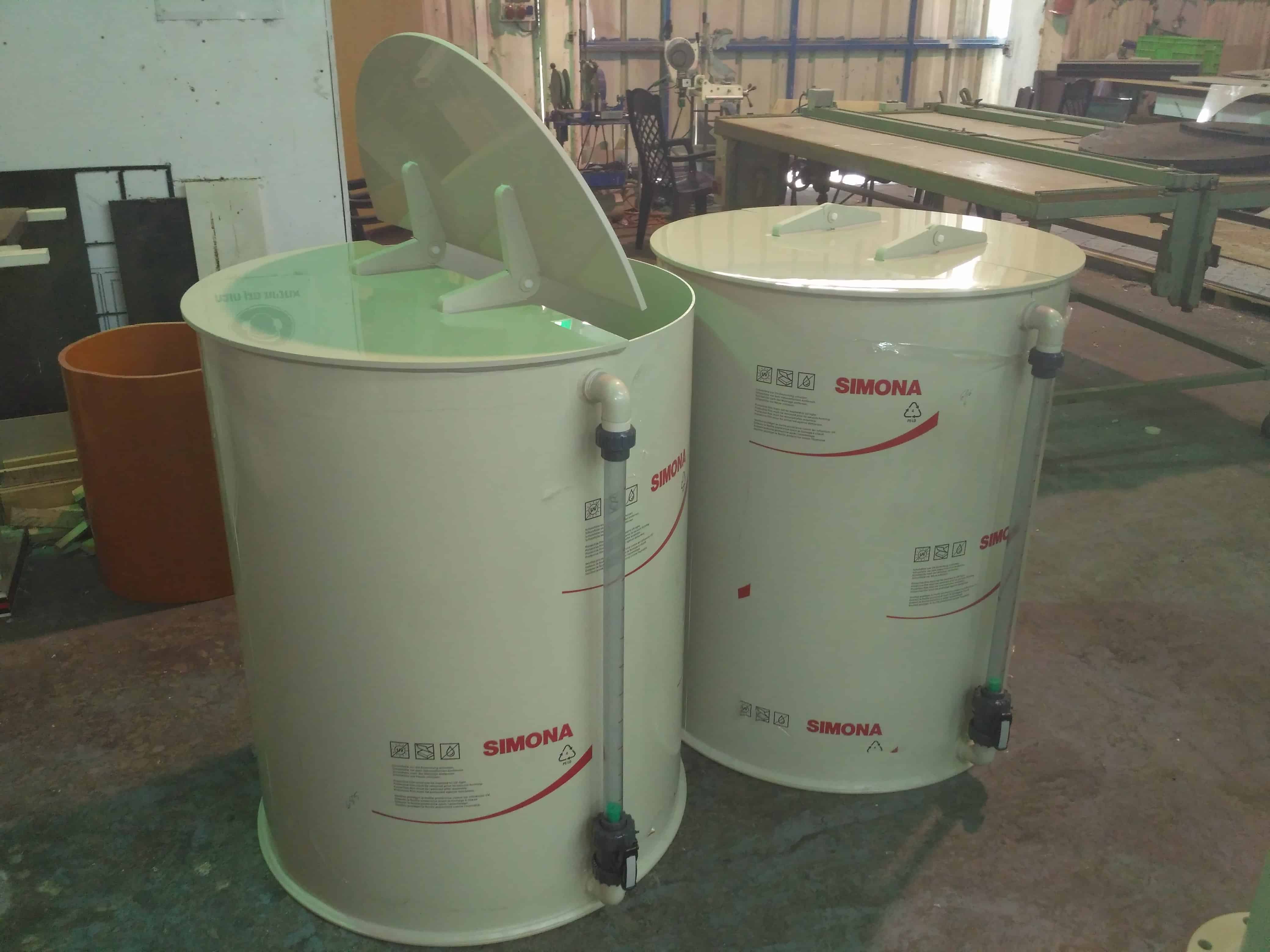
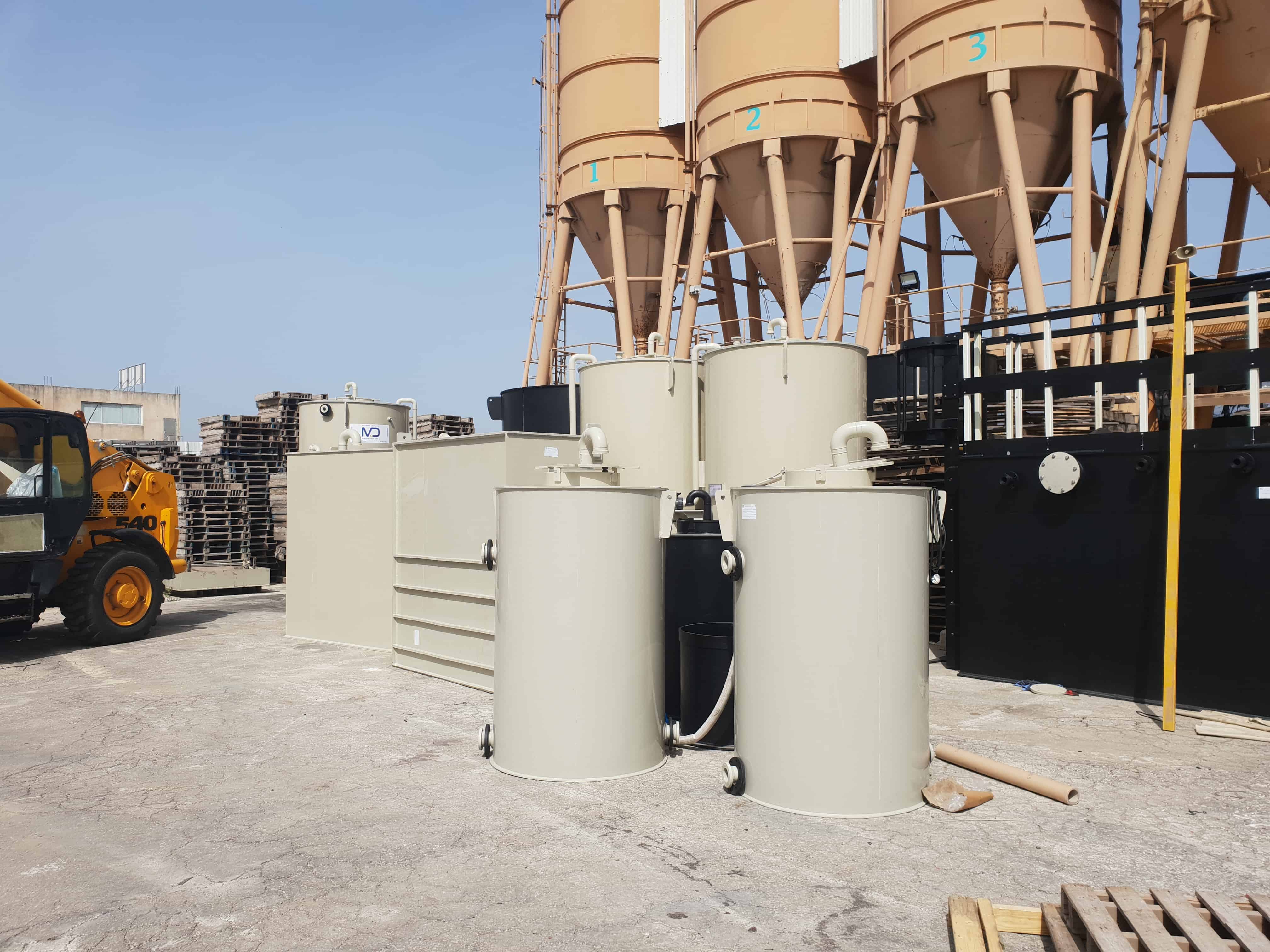
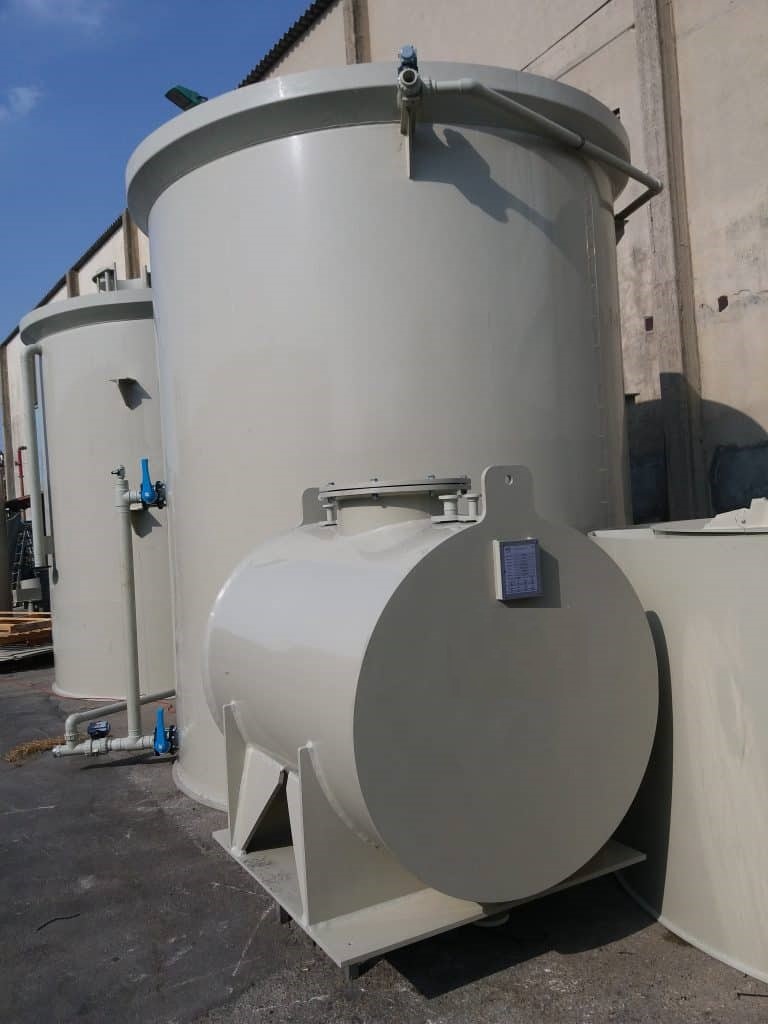
Idan B Plastic specializes in the design and manufacture of high-quality polyethylene (PE) and polypropylene (PP) tanks, available in a wide range of capacities — from small units of several liters to large industrial tanks of tens of cubic meters.
Each tank is engineered and built to meet the specific requirements of our customers and the materials they intend to store.
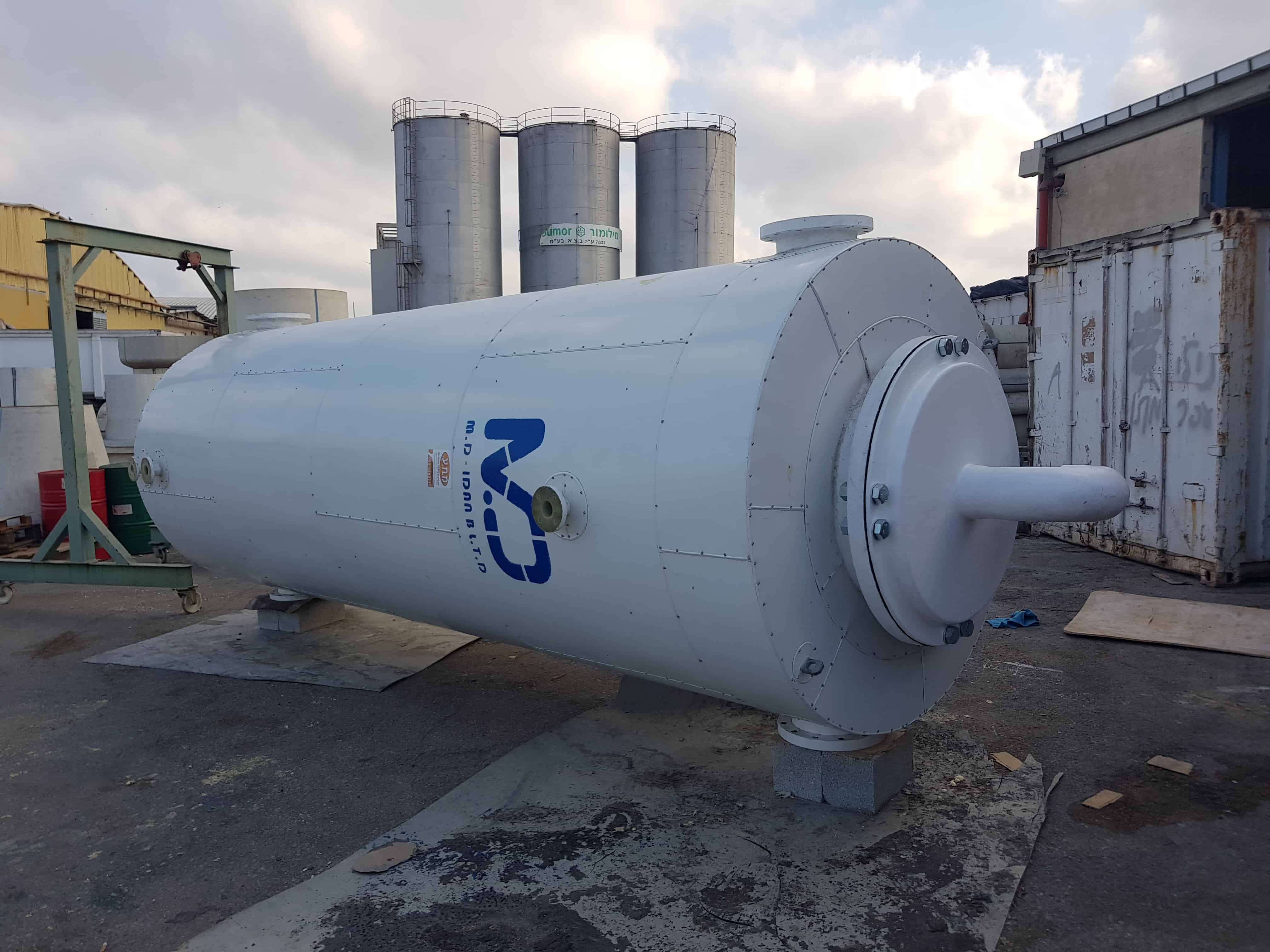
In addition, we produce PVC, PVDF, and fiberglass-reinforced tanks, including insulated or specially reinforced models designed for demanding industrial environments.
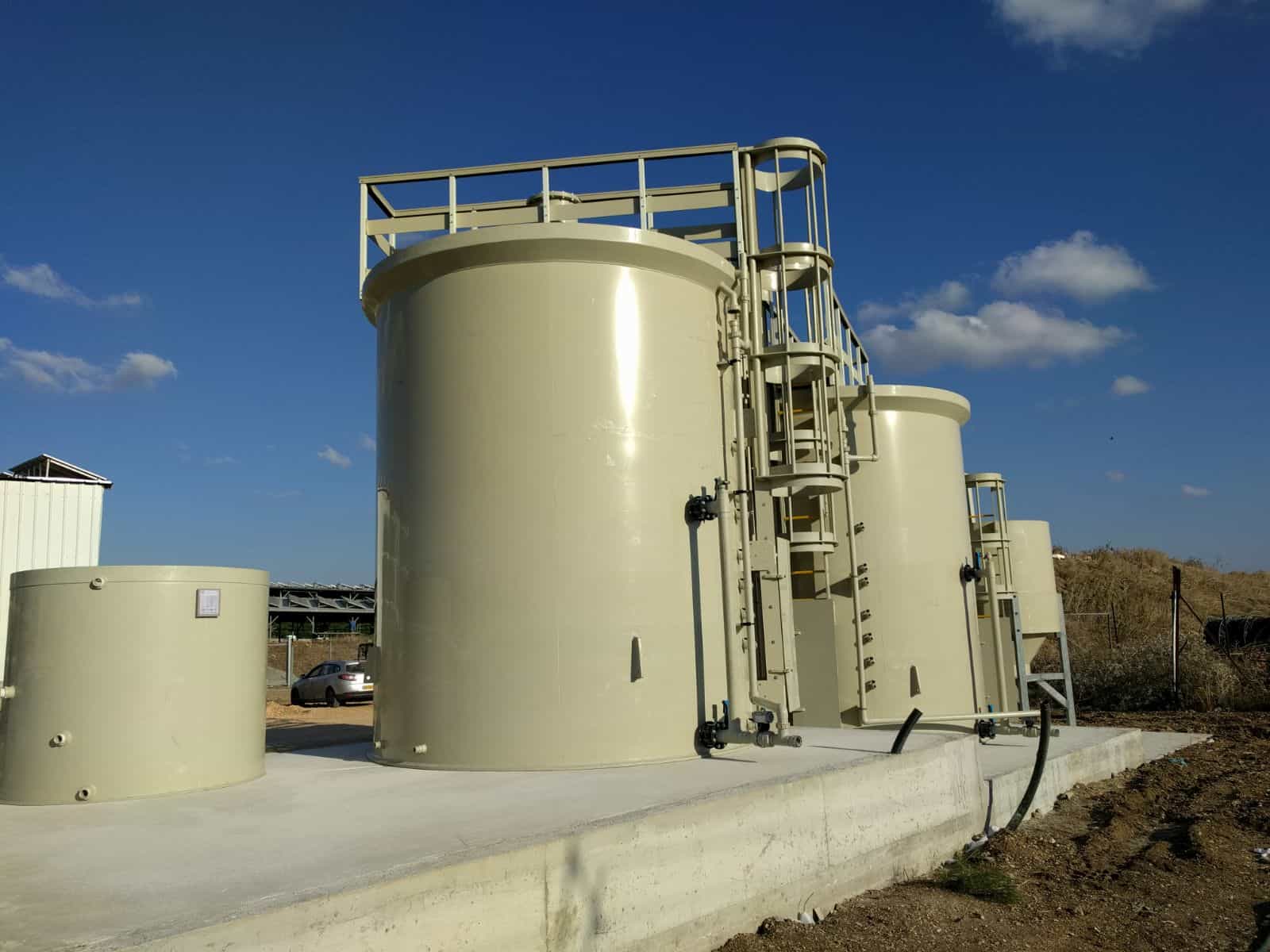
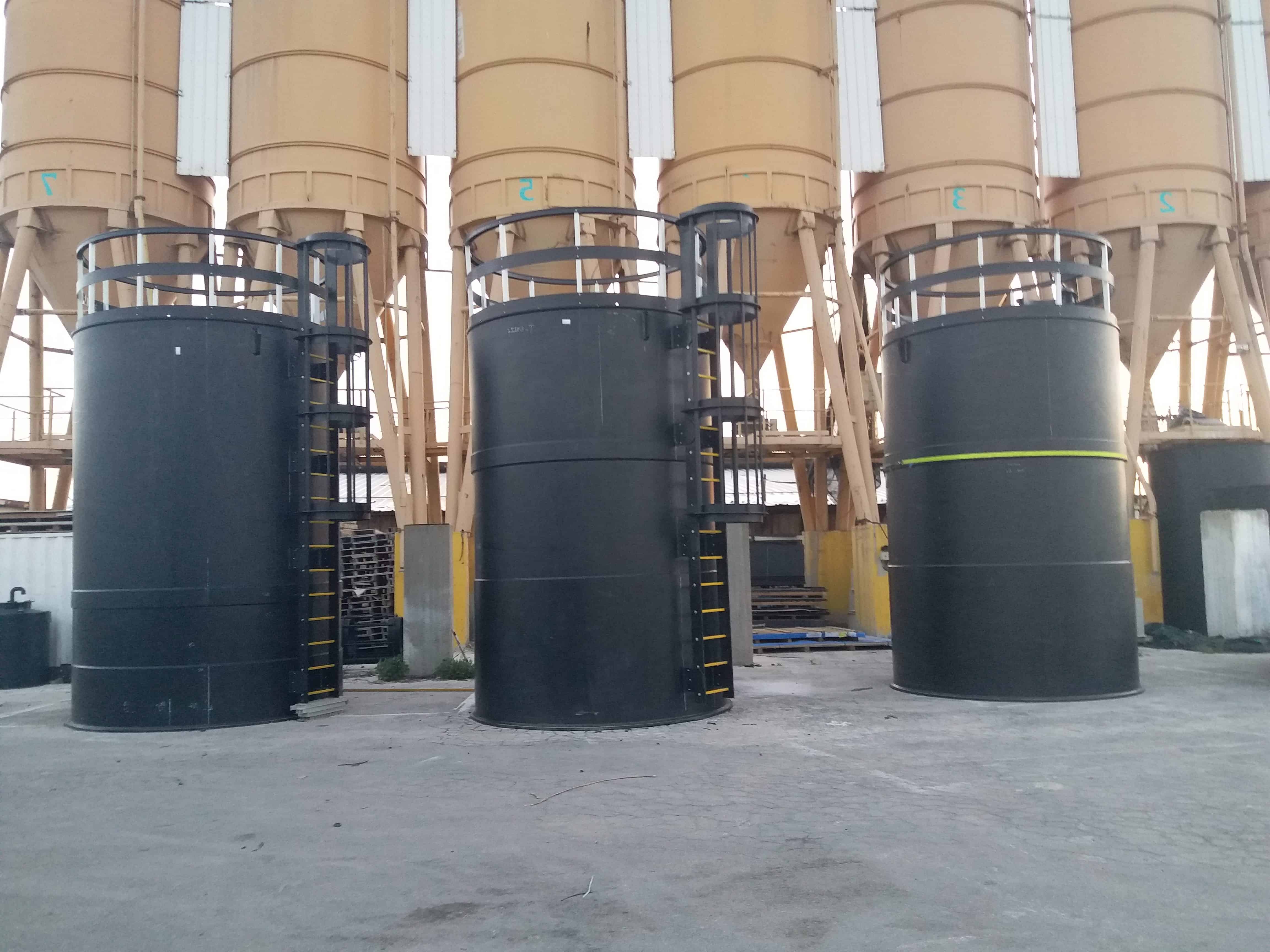
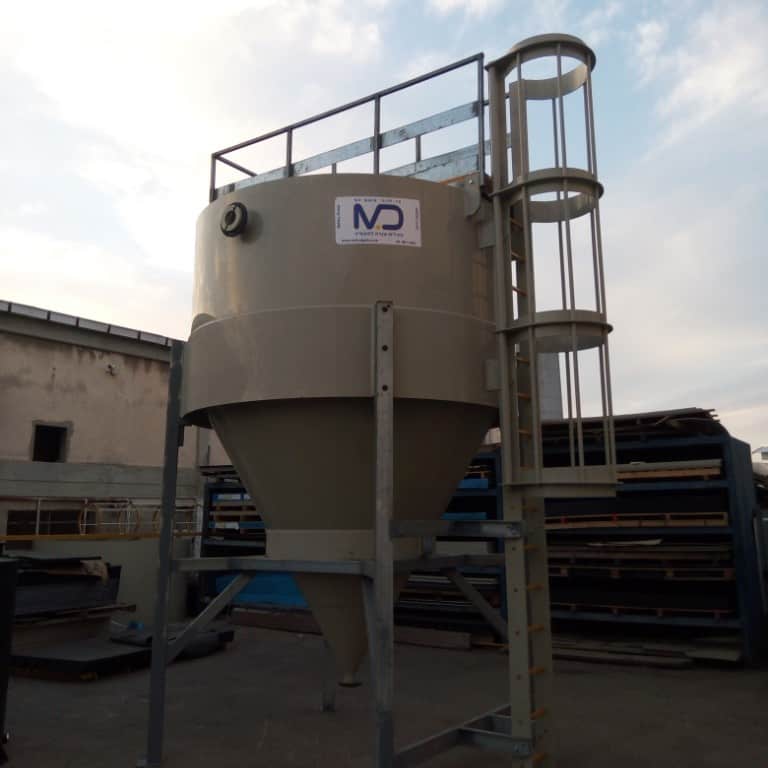
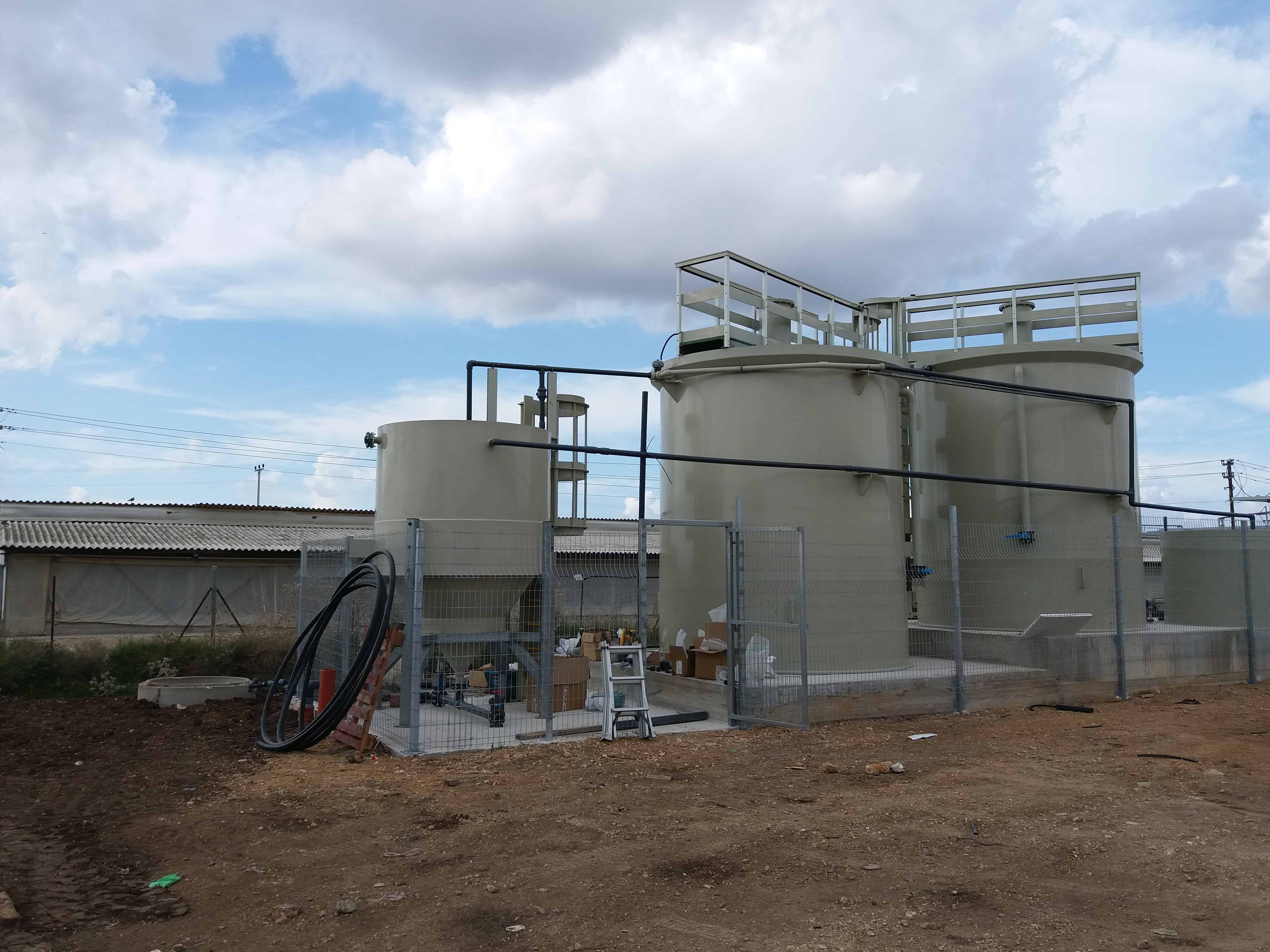
Our product line also includes conical and rectangular tanks, which can be supplied with custom-built, heavy-duty ladders and handrails for safe and convenient access.
Every product we deliver is supported by a comprehensive engineering design process, which includes detailed CAD drawings, strength and stress calculations, compliance with relevant standards, and full material compatibility assessments.
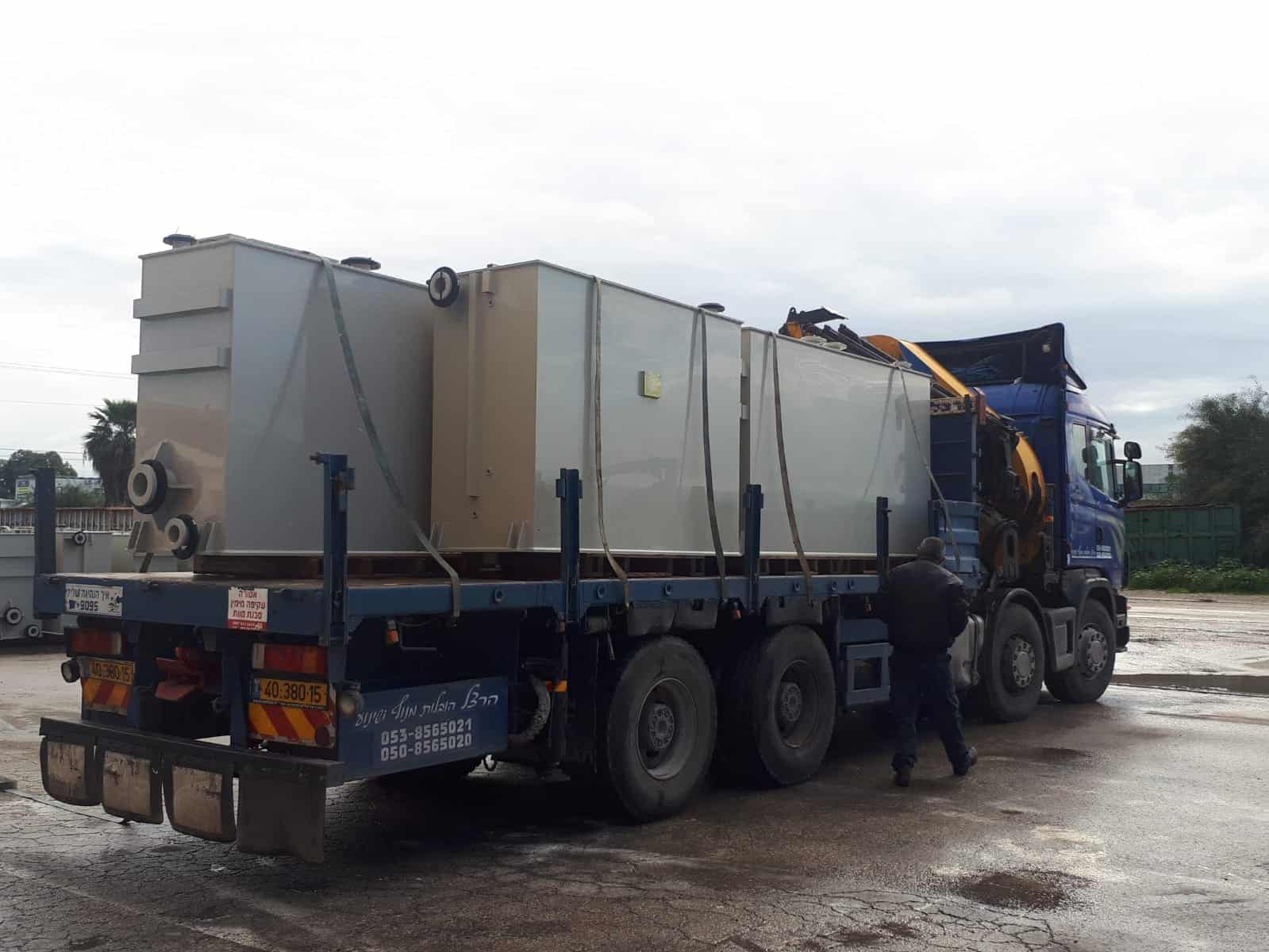
Before delivery, all tanks and reservoirs undergo a 24-hour hydrostatic (water) test to ensure structural integrity, leak-proof performance, and long-term durability.
Advanced Material Selection Matrix for Corrosive & High-Temperature Storage
Selecting the optimal polymer or composite resin is critical to preventing environmental stress cracking (ESC), chemical degradation, and premature structural failure. Our engineering team evaluates chemical concentration, operational temperature, and mechanical loads to match the right material to your application:
- High-Density Polyethylene (HDPE / PE 100): Exceptional impact resistance at sub-zero temperatures, UV stabilization for outdoor installation, and superior resistance to inorganic acids, bases, and aqueous salt solutions.
- Polypropylene (PP-H / PP-B): High stiffness, excellent resistance to organic solvents and stress cracking, with operational temperature stability reaching up to 80°C to 90°C. Ideal for electroplating and hot acid containment.
- Polyvinyl Chloride (PVC-U / PVC-C): Superior chemical resistance to concentrated chlorine solutions, strong oxidizing acids, and aggressive chemicals where heat and mechanical stress are moderate to high (Post-chlorinated PVC-C extends thermal thresholds up to 95°C).
- Polyvinylidene Fluoride (PVDF): High-purity fluoropolymer offering chemical inertness against concentrated nitric, hydrofluoric, and sulfuric acids, high thermal resistance (up to 140°C), and ultra-low extractables required in semiconductor manufacturing.
- Fiberglass Reinforced Plastics (FRP / GRP) & Dual-Laminate Systems: Combines the chemical resistance of thermoplastic inner liners (PE, PP, PVC, PVDF) with the structural strength of filament-wound thermoset glass fiber shells for high-pressure, large-volume, or vacuum-rated vessels.
Comprehensive Engineering & Structural Integrity Standards
Unlike standard off-the-shelf molded containers, every custom vessel manufactured by Idan B Plastic undergoes an exhaustive engineering protocol in accordance with international plastic welding and fabrication standards (such as DVS 2205 guidelines and EN 12573 specifications):
- Finite Element Analysis (FEA) & Creep Rupture Calculation: Structural modeling accounts for fluid density, hydrostatic head pressure, temperature-induced modulus reduction, and long-term mechanical creep over a projected 10 to 25-year service life.
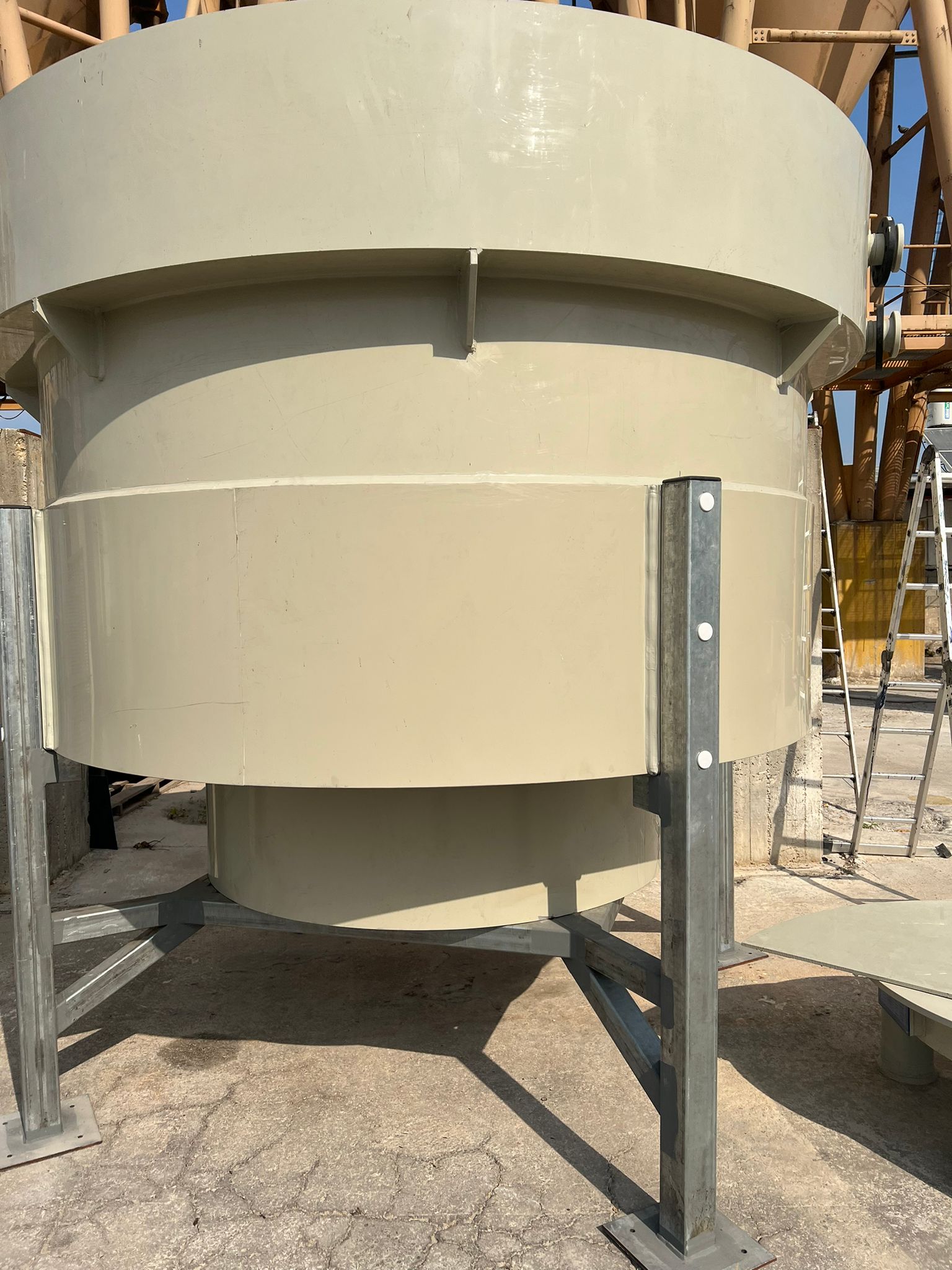
- Custom Structural Reinforcements: Rectangular and high-aspect-ratio tanks feature external steel girdle frames encapsulated in matching thermoplastic sleeves, preventing bowing, side-wall deflection, and chemical exposure to structural steel.
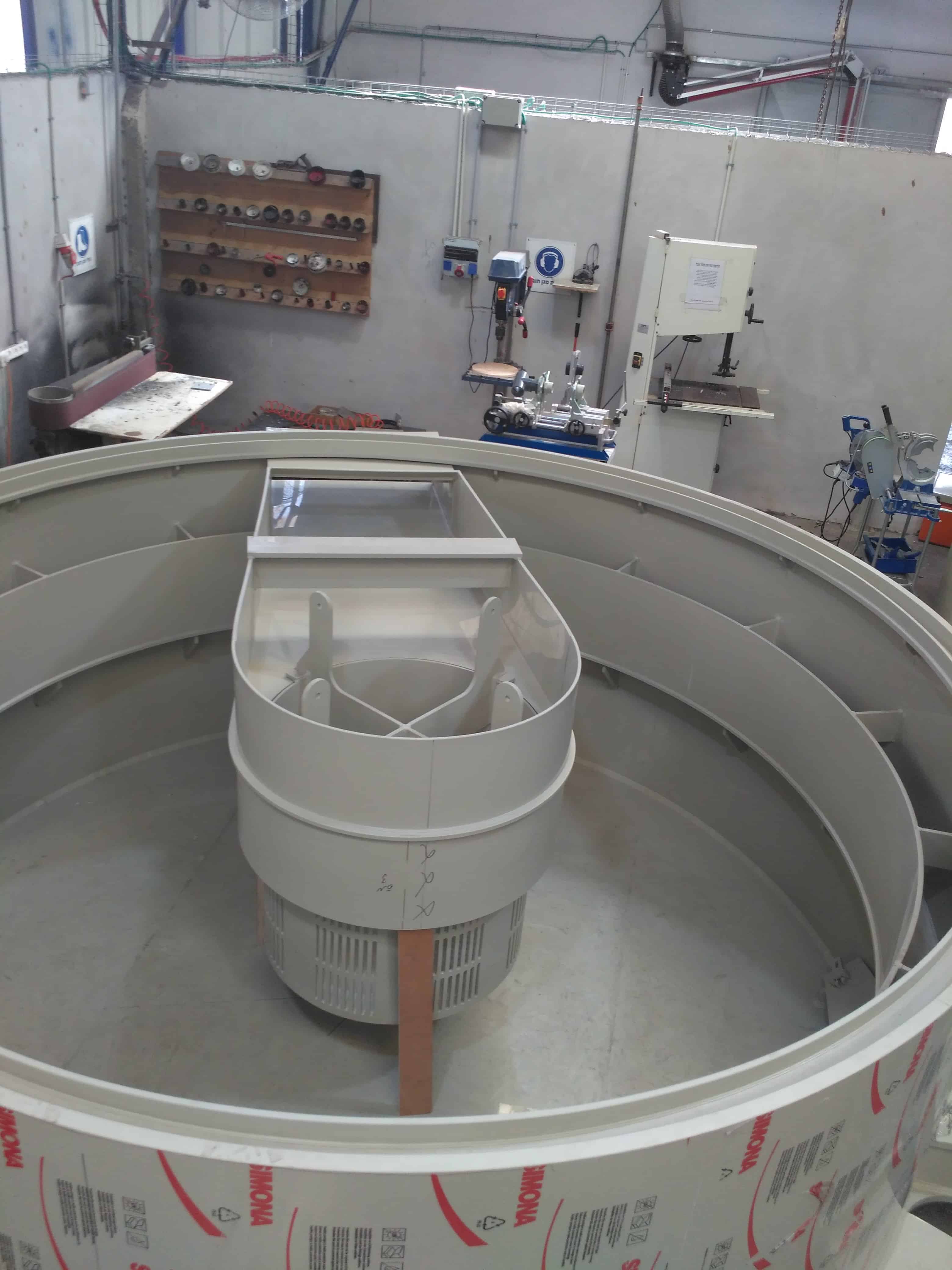
- Nozzle Load & Thermal Expansion Planning: Flanged connections, side-entry manways, baffle plates, and mixer support bridges are calculated to withstand dynamic pipe loads, pump vibrations, and thermal expansion/contraction cycles.
- On-Site Repairs, Modifications & Maintenance: In addition to new fabrications, our certified plastic welding technicians provide field inspection, retrofitting, wall-thickness scanning, and extrusion welding repairs to restore operational integrity to existing industrial tanks without complete vessel replacement.
Frequently Asked Questions (Q&A): Industrial Plastic Tank Engineering & Manufacturing
- What chemical concentration levels can HDPE and Polypropylene tanks safely store?
HDPE and PP-H are resistant to most inorganic acids and bases up to high concentration levels (e.g., 98% sulfuric acid requires specific wall thickness calculations or PVDF liners, while 30-36% hydrochloric acid and sodium hydroxide up to 50% are safely contained in PE/PP). Each chemical matrix is verified against temperature and concentration curves before manufacturing. - What is the maximum operating temperature for custom thermoplastic tanks?
Operating temperatures depend on the selected polymer: HDPE operates up to 60°C, PP up to 80-90°C, PVC-C up to 95°C, and PVDF can operate continuously at temperatures up to 140°C under appropriate pressure conditions. - Why choose a dual-laminate tank over a solid plastic tank?
Dual-laminate tanks combine a chemically inert inner thermoplastic liner (e.g., PVDF, PP, or PVC) with an outer structural resin-bonded fiberglass (FRP) shell. This provides the chemical resistance of fluoropolymers with the structural strength, temperature tolerance, and vacuum rating of composite materials for large-scale vessels. - How are rectangular plastic tanks reinforced against sidewall deflection?
Rectangular tanks experience hydrostatic outward pressure on flat surfaces. We mitigate wall bending by engineering external structural steel girders (I-beams or square tubes) fully enclosed in plastic profiles, ensuring structural rigidity while isolating metal components from corrosive atmospheres. - What standards are followed during the engineering and welding processes?
Our design and plastic welding operations adhere to international standards including DVS (German Welding Society) 2205 guidelines for tank calculation and DVS 2207/2208 for hot-gas extrusion and socket welding qualification. - How does the 24-hour hydrostatic water test verify tank quality?
The tank is filled to maximum operating liquid volume with water and monitored for 24 hours. This test validates the tensile integrity of extruded fusion welds, checks for micro-porosity, and ensures zero deformation or structural deflection under maximum static load prior to site delivery. - Can tanks be customized with integrated accessories like ladders, mixers, and instruments?
Yes. We fabricate custom OSHA-compliant access ladders, safety cages, walkways, agitator/mixer support bridges, sloped or conical bottoms for complete drainage, sight glasses, level transmitter ports, and specialized baffle systems. - How are pipe nozzles and flanges attached to ensure leak-free operation?
All connections, flanged nozzles (ANSI/DIN), and side-entry manholes are integrated using hot-gas extrusion welding and reinforced gussets, ensuring seamless chemical containment that matches the structural rating of the main vessel wall. - What is the advantage of a conical bottom tank over a flat bottom tank?
Conical bottom tanks allow total drainage of high-viscosity liquids, slurries, and suspended solids without manual cleanout, reducing residue accumulation and downtime during fluid transfer processes. - Can existing installed tanks be modified or repaired on-site?
Yes. Our mobile engineering team performs certified on-site extrusion welding, nozzle additions, repair of mechanical impact damage, and structural retrofits to extend the service life of installed equipment. - How do UV stabilizers protect outdoor polyethylene and polypropylene tanks?
We utilize UV-8 stabilized resin compounds and carbon-black additives that absorb ultraviolet radiation, preventing polymer chain degradation, embrittlement, and discoloration caused by prolonged exposure to direct sunlight. - What documentation is provided with delivered industrial tanks?
Every tank delivery includes a complete technical dossier featuring CAD shop drawings, structural calculation sheets, material certificates, hydrostatic test reports, and maintenance/operation guidelines.
Idan B Plastics Ltd., a member of the Belsky Group
 יוסף בצרי 45, קרית אתא


