
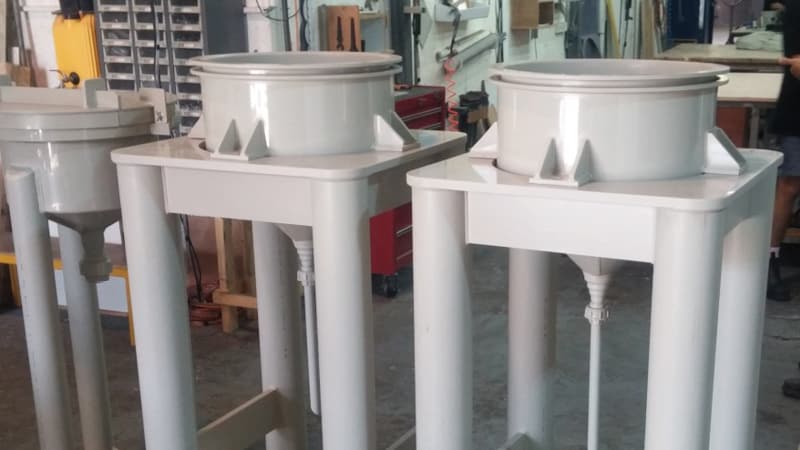
Key Highlights: Advanced CNC Machining & Plastic Fabrication
- High-Precision Fabrication: Automated CNC shape milling, computer-controlled routing, and thermal bending for complex thermoplastic components.
- Comprehensive Material Spectrum: Expert processing of engineering plastics including Polypropylene (PP), Polyethylene (PE/HDPE), PVC, PVDF, PTFE, and composites.
- ISO 9001 Quality Standards: Certified manufacturing workflows ensuring dimensional accuracy, structural stress tolerance, and full material traceability.
- Bespoke Industrial Solutions: End-to-end custom engineering—from CAD/CAM modeling and prototyping to heavy-duty industrial assembly.
Precision CNC machining and thermoforming are essential for producing corrosion-resistant, high-tolerance plastic components used in severe industrial environments.
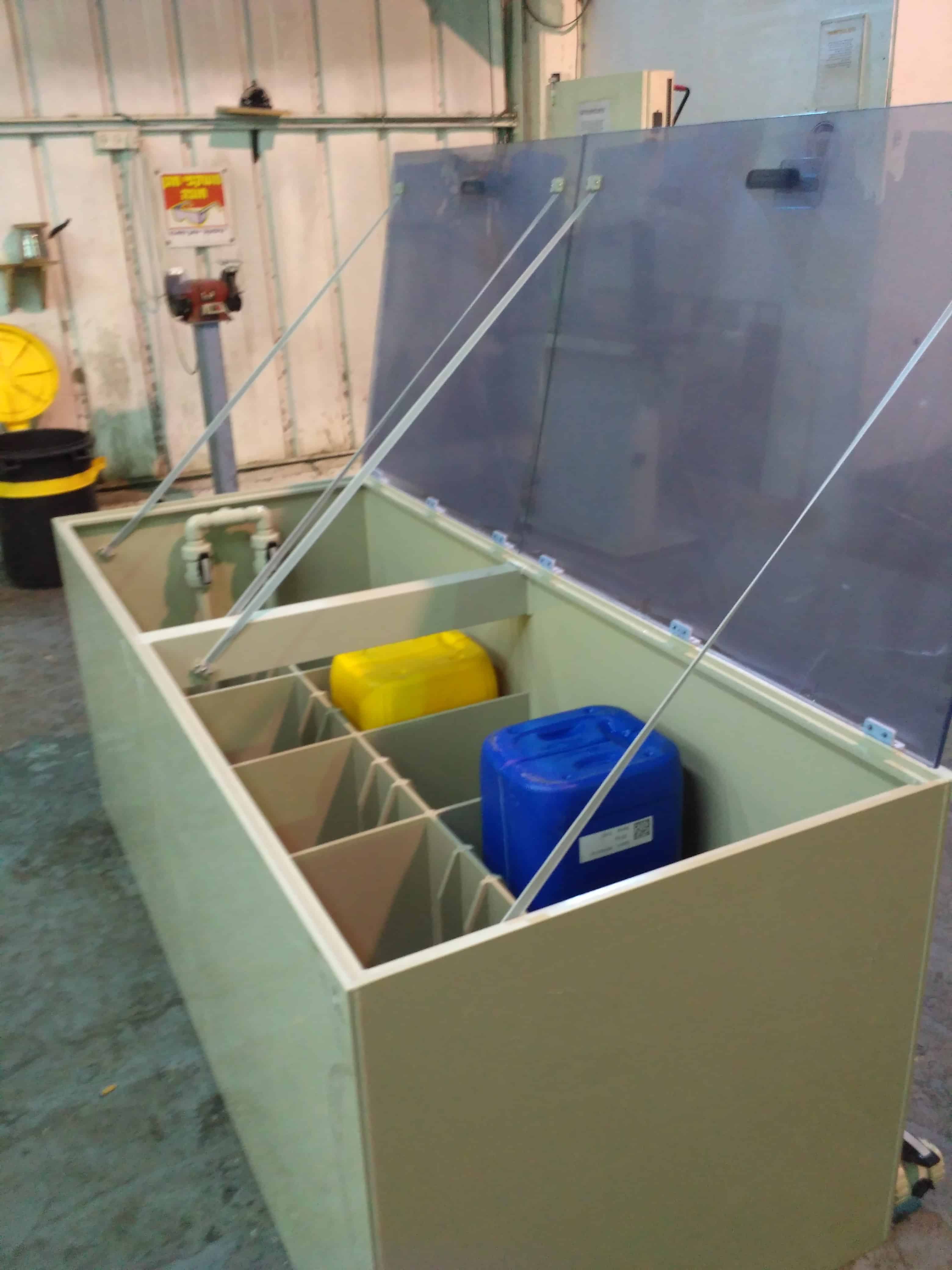
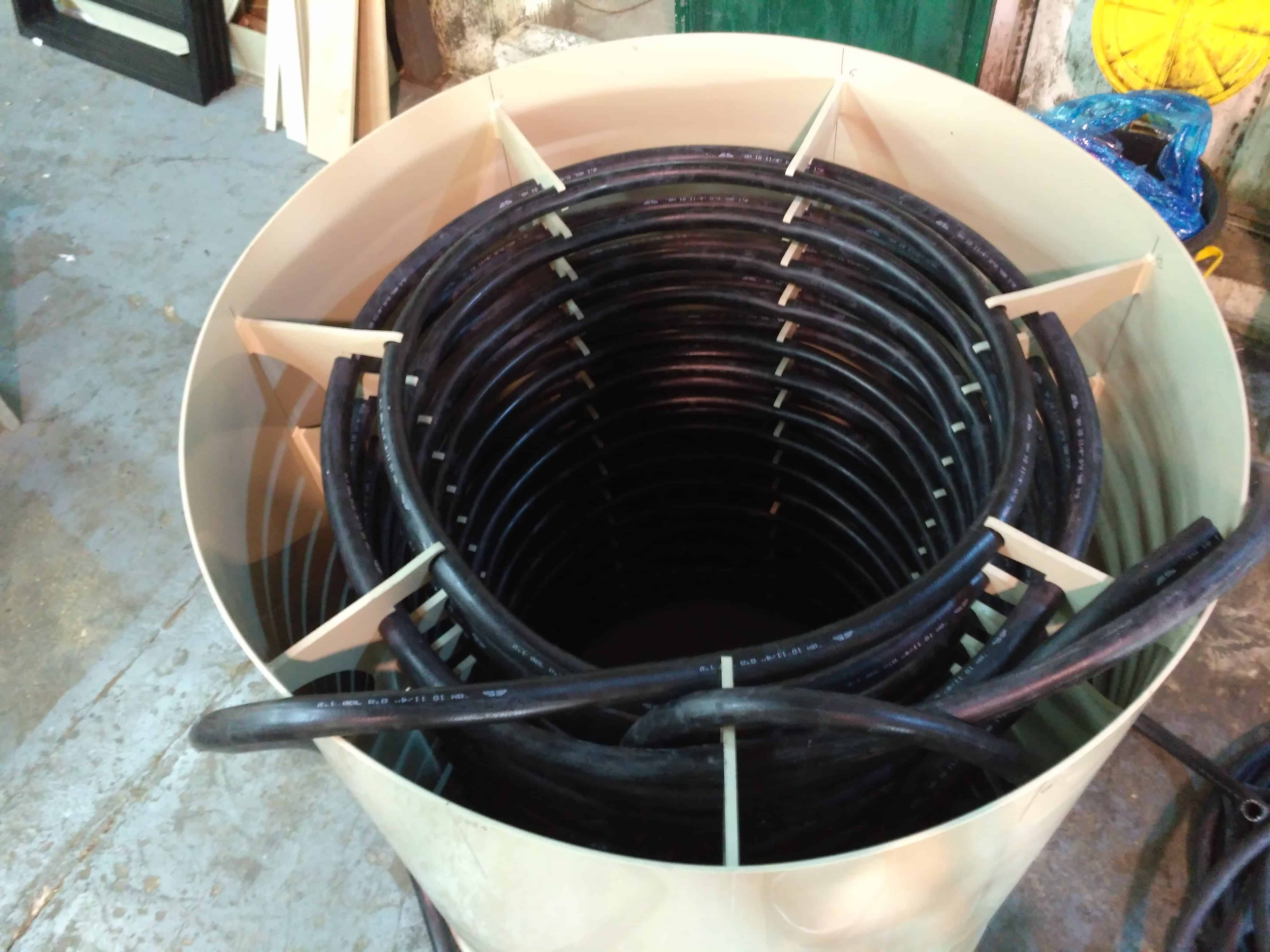
At Idan B Plastic, we combine advanced multi-axis CNC routing, automated plastic bending, and specialized extrusion welding with rigorous engineering methodologies to deliver custom-fabricated thermoplastic solutions.
Whether you require intricate fluid-handling components, heavy-duty chemical containment profiles, or bespoke structural housings, our facility processes high-performance polymers (such as PP, PE, PVC, PVDF, and PTFE) to exact tolerances.
Read on to discover our fabrication capabilities, quality assurance protocols, material properties, and comprehensive technical FAQ.
Advanced Fabrication Technology & CNC Machining
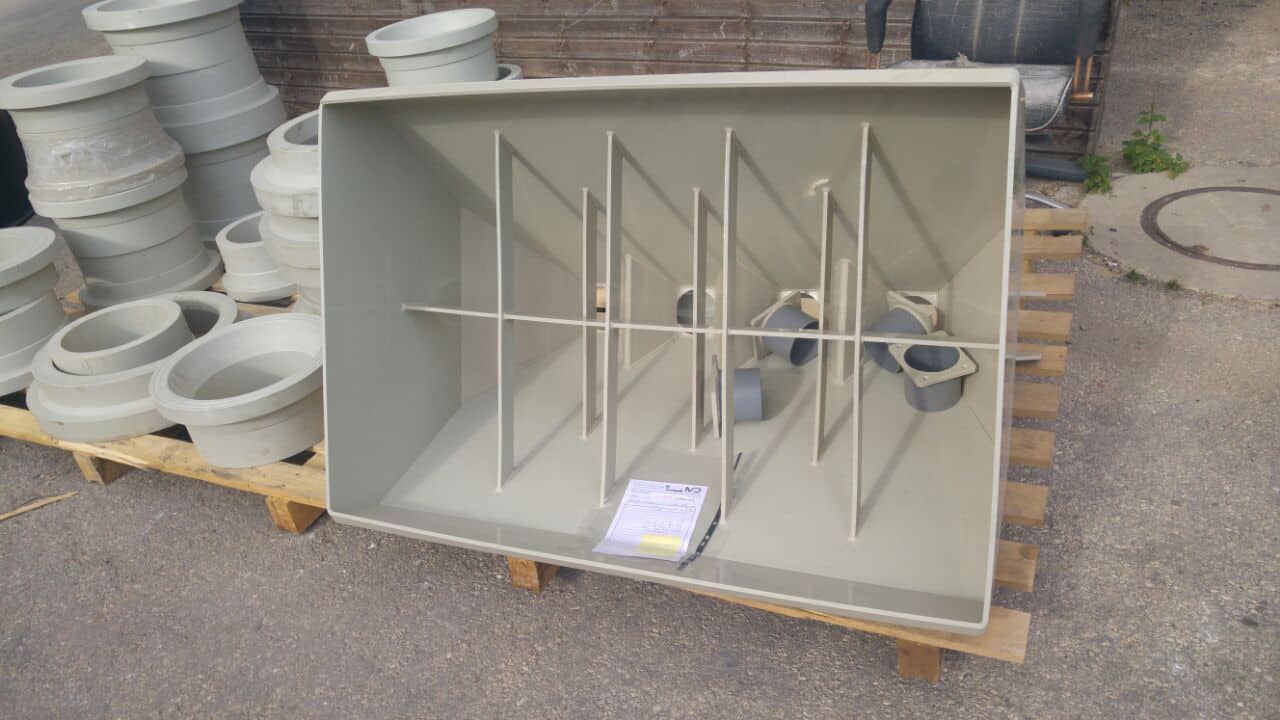
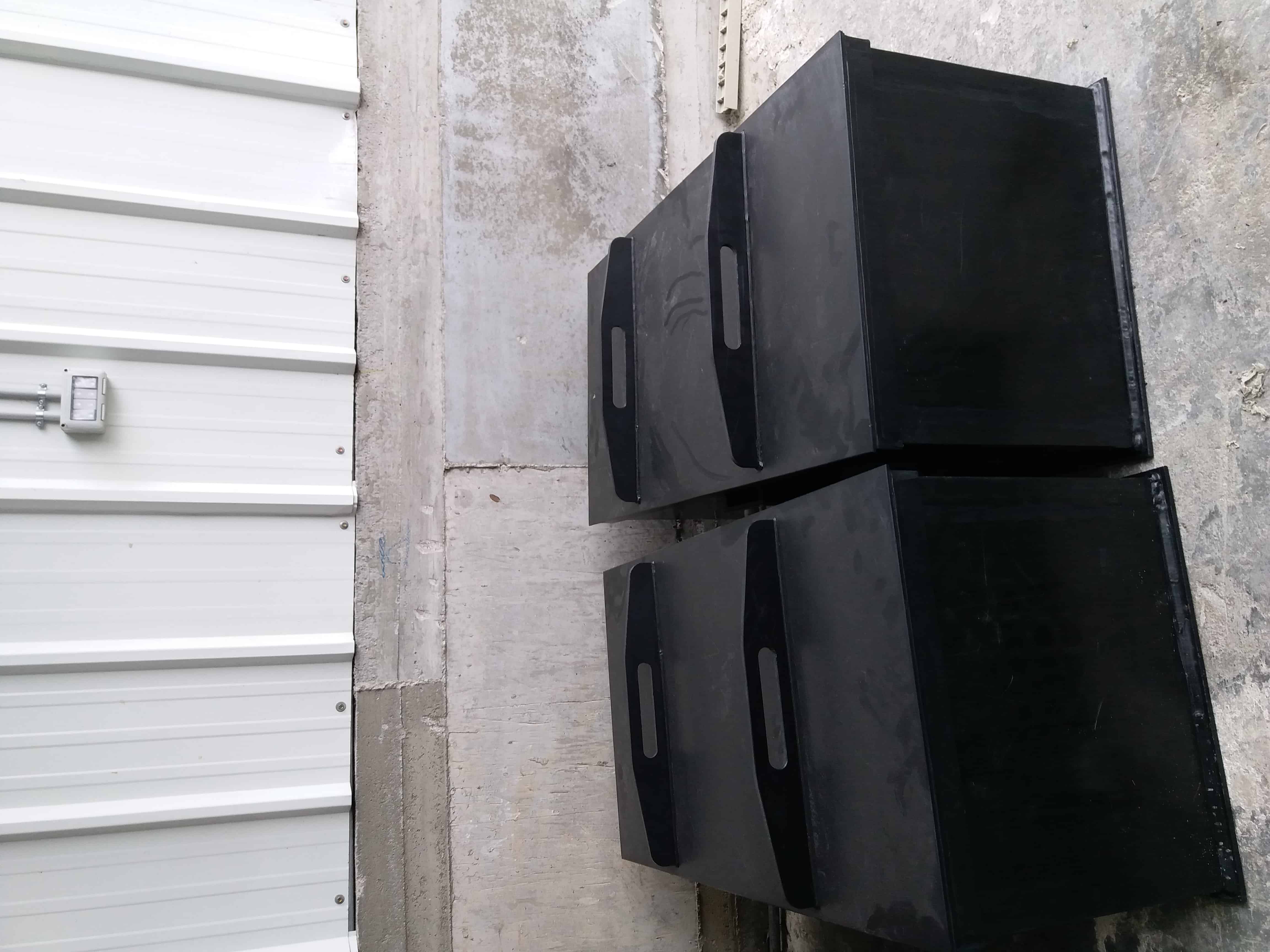
At Idan B, we leverage cutting-edge manufacturing technologies to deliver unparalleled precision in industrial plastics fabrication. We employ a modern, fully computerized CNC machine for automatic cutting and high-accuracy shape milling, alongside advanced plastic bending machines and specialized fabrication equipment.
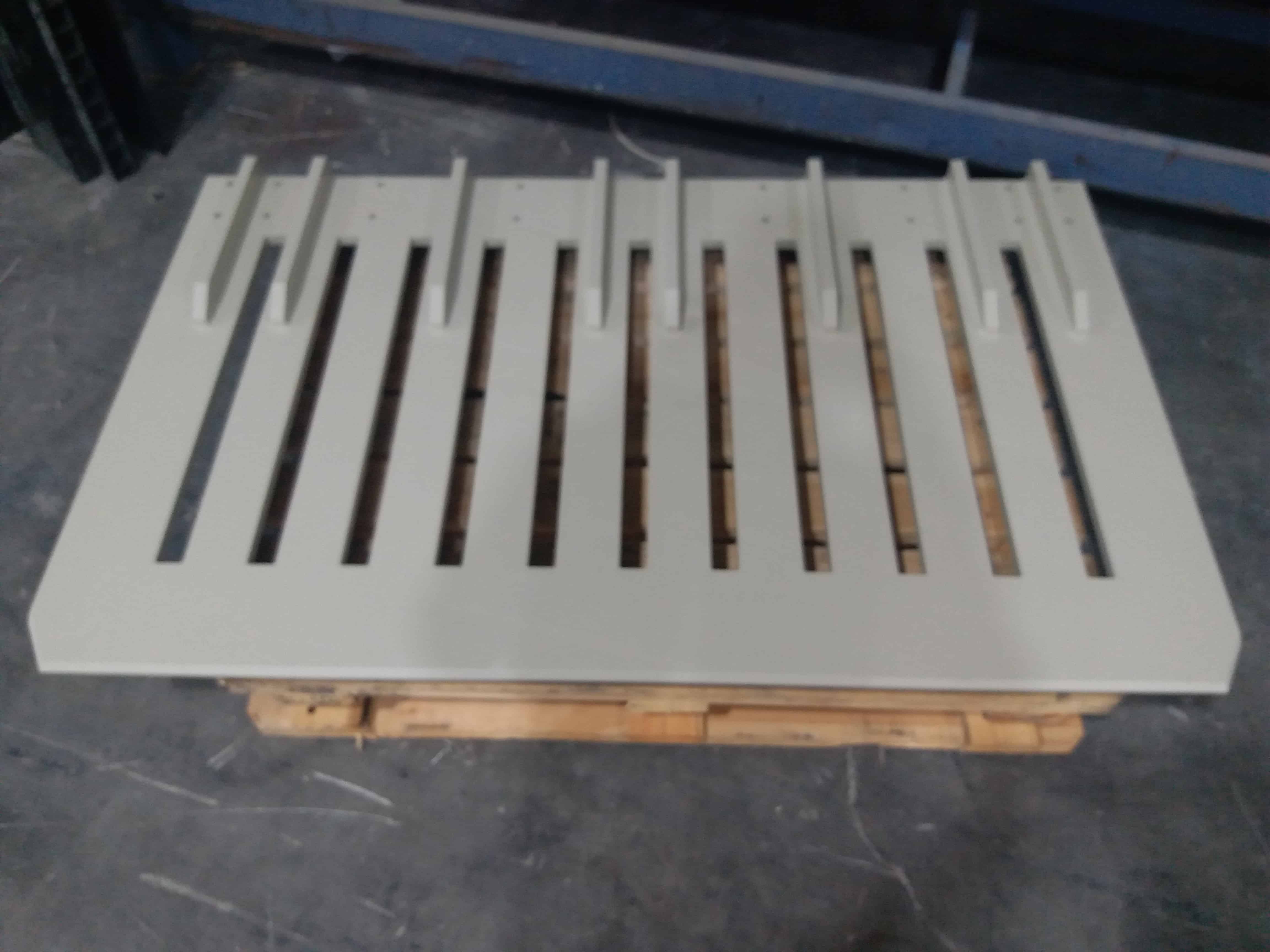
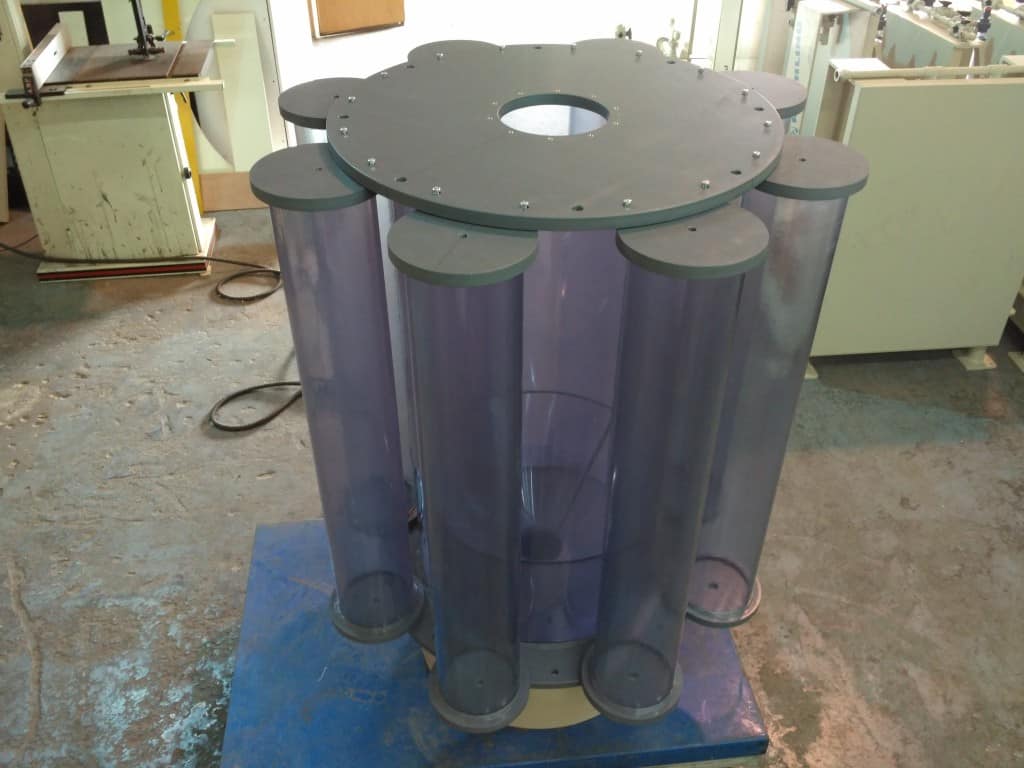
This state-of-the-art machinery allows for the highly accurate and rapid production of complex shapes, structural profiles, and custom figures (“figures”).
Our facilities are fully equipped to process every type of industrial plastic—including Polypropylene (PP), Polyethylene (PE), PVC, PVDF, and composite materials—as well as various other specialized materials required for industrial applications.
Core Industrial Plastics & Engineering Material Capabilities
Modern industrial applications require specialized polymer selection to withstand chemical attack, mechanical wear, and high operating temperatures. Our CNC machining and fabrication capabilities extend to a wide range of engineering polymers:
- Polypropylene (PP-H / PP-C): Exceptional chemical resistance to acids and alkalis, low density, and high stress-crack resistance. Widely used for chemical tanks, ductwork, and structural plating.
- High-Density Polyethylene (HDPE / PE 100): High impact strength (even at cryogenic temperatures), zero moisture absorption, and excellent abrasion resistance. Ideal for liners, wear plates, and piping manifolds.
- Polyvinyl Chloride (PVC-U / PVC-C): Excellent rigidity, flame-retardant properties, and resistance to strong oxidizing agents and corrosive fumes. Post-chlorinated PVC (PVC-C) extends temperature performance up to 95°C.
- Polyvinylidene Fluoride (PVDF): Ultra-high purity fluoropolymer offering chemical inertness against concentrated nitric, hydrofluoric, and sulfuric acids, high thermal tolerance (up to 140°C), and low friction coefficients.
- Polytetrafluoroethylene (PTFE) & Engineering Acetals (POM/Nylon): Machined for high-precision seals, bushings, valve components, and wear strips requiring low friction and resistance to extreme thermal degradation.
Advanced Plastic Fabrication Techniques & Machining Precision
Machining engineering plastics requires specialized tooling, controlled feed rates, and thermal management to prevent material warping, stress buildup, or surface degradation. Our manufacturing capabilities include:
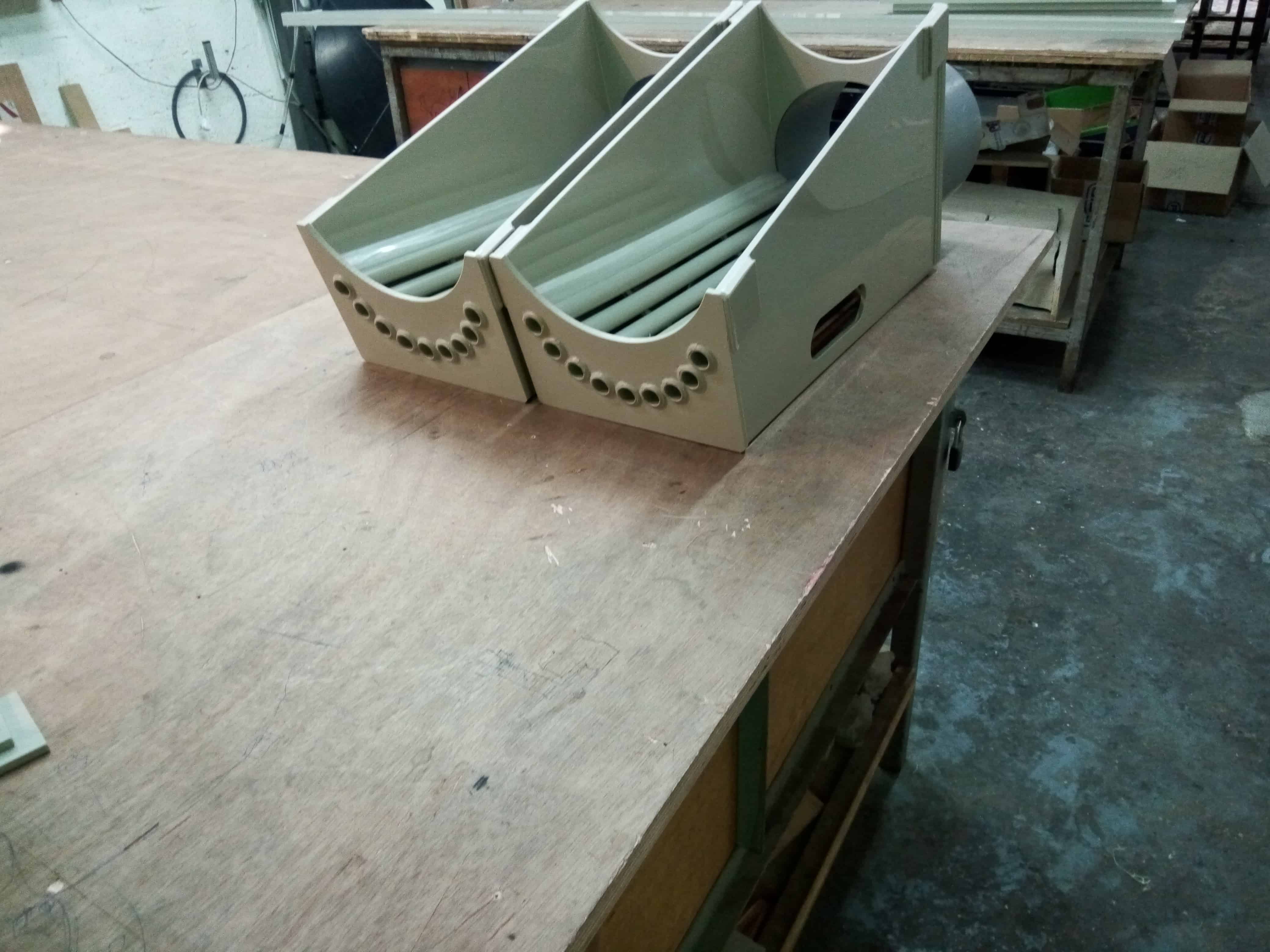
- Multi-Axis CNC Milling & Routing: Computer-controlled milling achieving tight dimensional tolerances, smooth surface finishes, and complex 3D contouring for mechanical components.
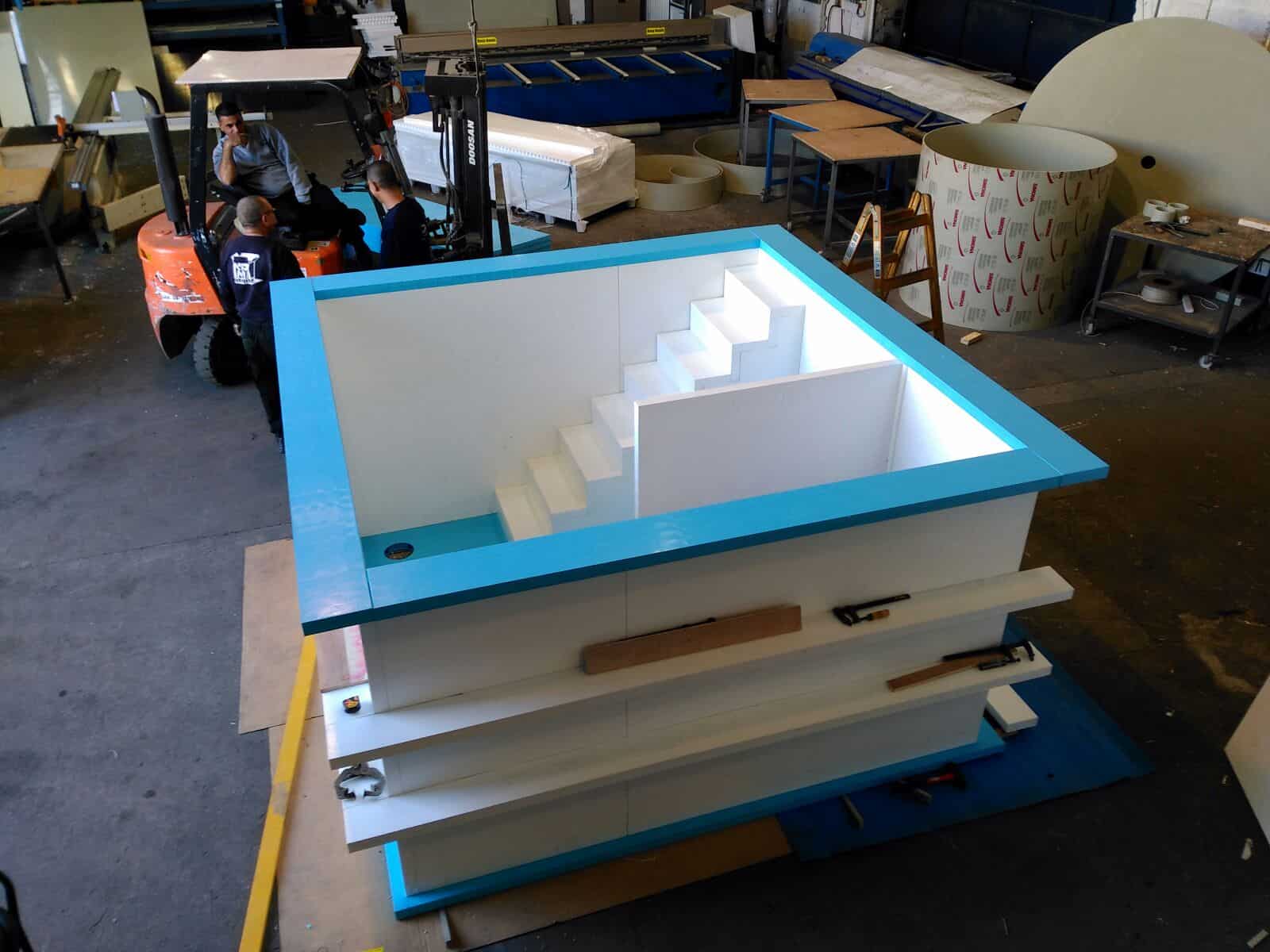
- Thermal Bending & Thermoforming: Precision linear heating and automated bending machines capable of forming heavy-gauge plastic sheets into seamless structural enclosures without compromising material strength.
- Certified Extrusion & Hot-Gas Welding: Fabrication carried out according to DVS guidelines (German Welding Society) using hot-air extruders to create leak-proof, structural joints in chemical vessels and piping assemblies.
- Prototyping to Full-Scale Production: Rapid prototyping capabilities allowing functional testing prior to mass production runs of custom machinery parts, manifolds, and wear components.
Custom Engineering & Creative Solutions
Combined with the thorough knowledge and extensive experience of our Engineering Department, alongside our highly skilled, certified technicians, we specialize in addressing niche requirements and unique operational challenges.
Our ISO 9001-certified processes ensure that every project undergoes strict quality control from design through to final execution.
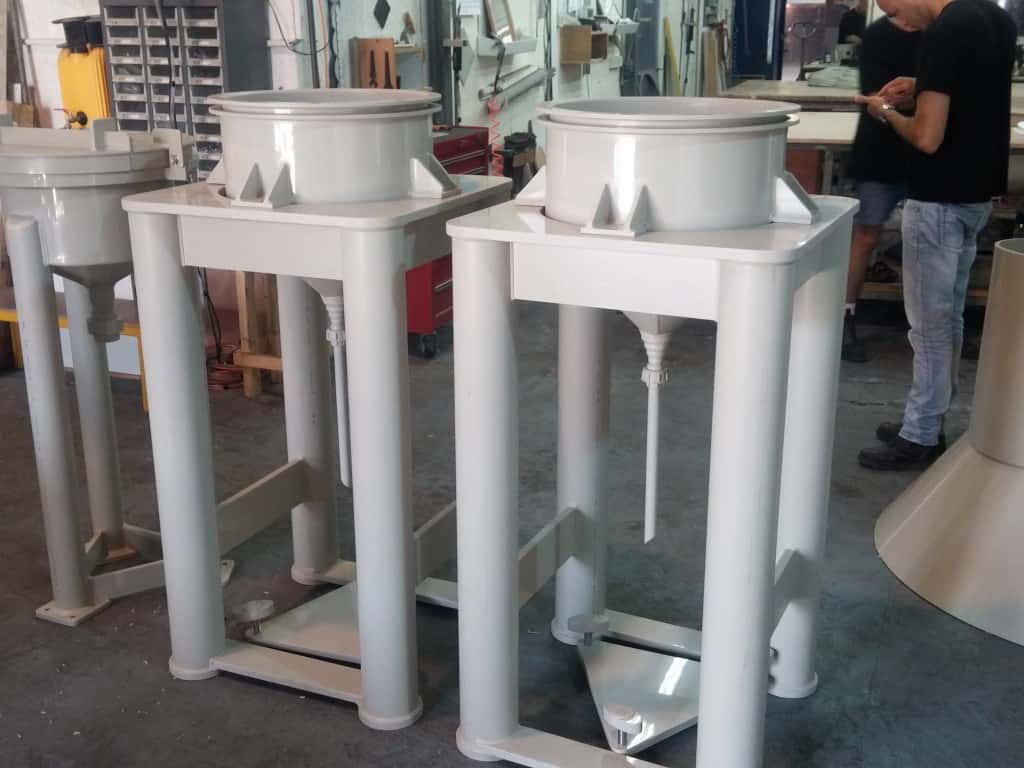
We are able to design and produce special, tailor-made products and bespoke components for industry, research, and specialized projects.
Our creative engineering approach allows us to deliver innovative solutions that not only solve our clients’ complex problems or technical needs, but often exceed by far their hopes, technical specifications, and expectations, leaving them with maximum operational satisfaction.
Frequently Asked Questions (Q&A): Industrial Plastic CNC Machining & Custom Fabrication
- What are the main advantages of CNC machining plastic parts over metal components?
Industrial plastics offer superior chemical and corrosion resistance, significantly lower weight, excellent electrical and thermal insulation, self-lubricating properties, and reduced long-term maintenance in harsh operating environments compared to metals. - How do you maintain tight tolerances when CNC machining thermoplastics?
Thermoplastics have higher thermal expansion rates than metals. We maintain precision tolerances by utilizing temperature-controlled machining environments, specialized sharp single/double-flute carbide tooling, optimized chip evacuation, and stress-relieved plastic stock materials. - What file formats are required for custom CNC plastic machining quotes?
We accept standard 3D CAD models including STEP (.stp), IGES (.igs), and SolidWorks files, as well as 2D vector files such as DXF and DWG for routing and cutting profiles. - What is the maximum thickness of plastic sheets that can be thermally bent or machined?
Our CNC routing equipment can process sheets up to several inches thick, while our specialized heating and bending equipment can process plastic plates up to 20mm-30mm or more depending on the polymer type and bend radius. - Are your plastic fabrication and welding processes certified to international standards?
Yes. Our fabrication and welding procedures comply with DVS (German Welding Society) standards for plastic fabrication (e.g., DVS 2205, DVS 2207), and our quality management system is fully certified under ISO 9001. - Can you fabricate high-purity components for semiconductor or medical applications?
Yes. We process high-purity materials like PVDF and virgin PTFE using specialized tooling and clean handling procedures to eliminate metallic contamination and extractables in semiconductor wet benches and chemical delivery systems. - How do you select the correct plastic material for an aggressive chemical application?
Our engineering team conducts material compatibility assessments based on chemical composition, concentration levels, operating temperature, mechanical load, and exposure duration to select the optimal polymer (e.g., PP, PVC, PVDF, or PTFE). - What surface finishes can be achieved through plastic CNC milling?
We achieve smooth as-machined surface finishes suitable for sealing applications. When required, secondary finishing techniques such as flame polishing (for clear materials like acrylic/polycarbonate) or mechanical deburring are applied. - Can you combine metal components or reinforcement frames into plastic assemblies?
Yes. We design hybrid assemblies incorporating stainless steel or carbon steel structural frames fully encapsulated in plastic sleeves to provide high structural load capacity while shielding metal parts from corrosive fumes. - What is the difference between extruded and cast/compression-molded plastic stock for machining?
Cast or compression-molded plastic stock generally exhibits lower internal stress, making it less prone to warping or deforming during heavy CNC milling compared to extruded sheets. We select the appropriate stock material based on part geometry and machining complexity. - Do you offer prototype manufacturing before full-scale production?
Yes. We provide functional prototype fabrication and short-run production, allowing clients to test dynamic fit, flow characteristics, and chemical performance before committing to large-volume orders. - How do UV additives affect the longevity of outdoor fabricated plastic components?
UV-stabilized resins (such as UV-grade Polyethylene and Polypropylene) contain specialized additives or carbon black that prevent molecular chain scuffing, embrittlement, and discoloration caused by prolonged exposure to sunlight.
Idan B Plastics Ltd., a member of the Belsky Group
 יוסף בצרי 45, קרית אתא


